


Hi, Jason. In terms of your new “Metamodernism” project, I’d like to hear about how you got started thinking about this subject, which is much more directly theoretical than your previous two works. What inspired you to tackle the idea of “metamodernism?”
I came to the key idea for this monograph in 2011, over drinks with an old friend in a café in Vienna. He asked me what I was going to do for a second act after my first book came out, given that the work was set to deconstruct my entire area of study. The key insight he rightly suggested is that it might have something to with what was going to come after postmodernism. I had just come from an interdisciplinary conference in which scholars of religion were bemoaning the dissolution of the discipline’s central category (a dissolution to which I had contributed) and I was primed to try and think big about new orientations to social scientific study. Furthermore, the more scholars I talked to in other disciplines, the more I heard reference to similar dilemmas. Anthropologists were worried about the status of the category “culture” and the viability of ethnography; economists and sociologists were concerned about the lack of recent grand discoveries in the social sciences and the failures of attempts to model human behavior; English professors bemoaned the fragmentation of the discipline or their alienation from what made literature appealing… and so on. It seemed that many scholars in the humanities and social sciences were intellectually discomforted in similar ways and lacking in the philosophical resources they needed to make progress.
(Click to read more)
Continue reading
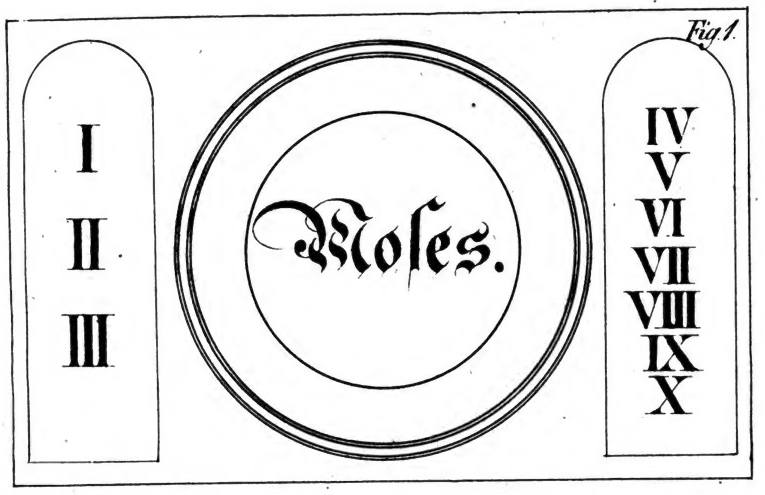
 Having recently taught Max Weber’s “Science as a Vocation” (Wissenschaft als Beruf), I noticed that in their response essays many of my students were unsure about when he gave this famous lecture. Some of the students dated the lecture to 1918 and others to 1917. They aren’t alone in this perplexity as one sees both 1917 and 1918 in the English scholarship (especially among non-specialists). Plus on Facebook I’ve now seen two different discussions among colleagues as to the authoritative date. So I’d like to weigh in.
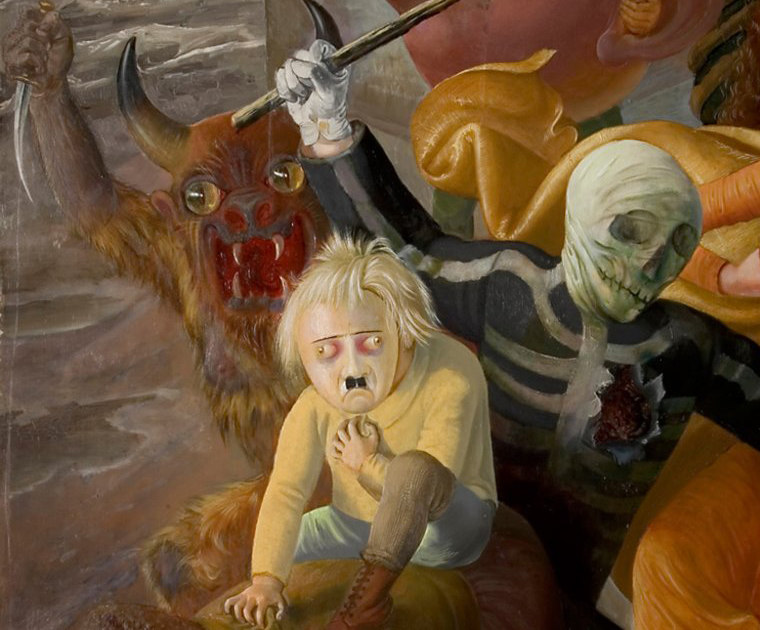
 In his commentary on Euclid’s elements (roughly 320 CE), Pappus of Alexandria recounts the strange case of a Pythagorean who was drowned for what amounts to giving a spoiler. It was said that a wayward mathematician of the Pythagorean society shared the Pythagoreans’ most important and secret teaching – that there was such a thing as irrational numbers (like the square root of two) – and paid for the revelation of this confidence with his life.
 Absolute Disruption: Theory after Postmodernism